First 30×30 Canada Receives CAD $2.25 Million Commitment from RBC to Advance Indigenous-Led Conservation

First 30×30 Canada Receives CAD $2.25 Million Commitment from RBC to Advance Indigenous-Led Conservation

We are pleased to announce a CAD $2.25 million commitment from RBC over the next three years to support First 30×30 Canada and the continued advancement of Indigenous-led conservation across Canada. 

First 30×30 Canada is a non-profit initiative led by Nature For Justice, supporting Indigenous Nations to access carbon and other nature-based solutions markets. The goal is to help Indigenous Nations launch long-term revenue generating projects that fund their stewardship activities.

RBC’s recent commitment builds on three prior years of funding, totaling nearly CAD $4.95 million committed over a six-year time frame. In 2023, RBC provided the initial seed funding for First 30×30 Canada. This early investment supported the development of a model designed to address financial and technical barriers experienced by Indigenous Nations in accessing Nature-based solutions markets and also helped the program secure an additional CAD $14 million over five years from the BHP Foundation.

This renewed commitment builds on RBC’s foundational investment and reflects the value of collaboration in strengthening Indigenous-led approaches to conservation.

“RBC recognized the value and potential of First 30×30 Canada early in our development and invested in the vision of what this program could become. Since that early investment, we have built a strong foundation, demonstrated the strength of our approach, and advanced meaningful work with Indigenous Nations. This renewed $2.25 million commitment recognizes the work that has been accomplished and reflects confidence in what we have created. We are grateful to RBC for their continued support in the next phase of First 30×30 Canada and Indigenous-led conservation.” 

  • Steven Nitah, Executive Vice President, First 30×30 Canada, Nature For Justice

“We are proud to have provided the initial seed funding for First 30×30 Canada and have been impressed to see the progress that has been made in such a short period of time. Indigenous leadership is key to achieving Canada’s climate and biodiversity goals but this will only be realized with strategic support for early-stage work such as capacity-building, market assessments and feasibility studies – funding that is often hardest to raise.  We are honoured to continue supporting this important work and look forward to seeing continued success as Nations design and implement Indigenous-led conservation projects, leveraging carbon and nature finance as a financial catalyst for long-term management of the lands they have stewarded for generations.”

  • Thea Silver, Senior Director, Environmental Impact, RBC

Supporting Long-Term Solutions for Indigenous-Led Conservation

Indigenous Nations have stewarded lands and waters since time immemorial, guided by their own laws, knowledge systems and responsibilities. A peer-reviewed study examining Indigenous-managed lands across Canada, Brazil, and Australia found that these lands supported equal or higher levels of vertebrate biodiversity than conventional protected areas1. In Canada and Brazil specifically, Indigenous-managed lands supported more threatened vertebrate species than conventional protected areas or randomly selected non-protected areas. This finding reinforces the value of Indigenous-led conservation as a proven approach to protecting biodiversity, maintaining healthy ecosystems, and addressing climate change.

Despite this longstanding leadership and demonstrated conservation impact, many Indigenous Nations continue to encounter financial and technical barriers when seeking to develop, finance, and implement conservation initiatives at scale.

First 30×30 Canada works alongside Indigenous governments to address these barriers through early-stage funding, technical expertise and pathways to carbon and other nature finance markets. Our work includes Market Opportunity Assessments, feasibility studies, project structuring, benefit-sharing advisory services, capacity building and opportunities for cross-Nation learning. 

This work contributes to Canada’s broader commitment to conserve 30% of its lands and inland waters and 30% of its coastal and marine areas by 2030.2 As Canada continues to develop market mechanisms that place economic value on measurable climate outcomes, federal and provincial carbon offset protocols are creating pathways for eligible projects to generate revenue from verified greenhouse gas reductions and removals. Of particular relevance to Indigenous-led conservation, B.C.’s Forest Carbon Offset Protocol provides a framework for eligible forest management activities, including projects on Crown lands in a First Nation’s territory; and Canada’s Improved Forest Management Federal Offset Protocol for Private Lands provides a framework for projects on reserve and private lands owned by Indigenous governments. The value of offsets selling to these government-regulated markets is two to three times higher than the voluntary markets. First 30×30 Canada is supporting Indigenous Nations to assess and pursue these and other emerging opportunities where they align with Nation-defined conservation, stewardship, and economic priorities.

Looking Ahead

Over the next five years, First 30×30 Canada aims to advance a portfolio of Indigenous-led projects through early engagement, assessment, feasibility, development, and implementation, establishing pathways for long-term revenue generation.

Current funding will support the launch of 3-7 Indigenous-led, revenue generating, nature-based solutions (NbS) projects, with the potential for participating Indigenous Nations to conserve an estimated 500,000 hectares of land, create employment opportunities, strengthen local economies, and generate approximately CAD $1.3 billion in carbon credit revenue over 25 years. At the same time, we will be piloting and exploring other potential mechanisms for funding Indigenous-led nature-based solutions (NbS) to grow impact further in the future. 

We are grateful to RBC for their longstanding support and continued confidence in First 30×30 Canada’s vision and growth.
  1. https://www.sciencedirect.com/science/article/abs/pii/S1462901119301042 ↩︎
  2. https://www.canada.ca/en/environment-climate-change/services/biodiversity/canada-2030-nature-strategy.html ↩︎

US$10 million investment to Strengthen Indigenous-Led Conservation and Advance Nature Finance Across Canada

OFFICIAL PRESS RELEASE EMBEDDED BELOW

22 January 2026 – Ottawa, ON. 

Indigenous Nations across Canada will gain greater access to carbon and nature finance through a major new investment in Indigenous-led conservation. First 30×30 Canada, led by Nature For Justice in collaboration with IISAAK OLAM Foundation and Nature Focus Development, will receive a multi-year USD $10 million (~CAD $14 million) grant from the BHP Foundation to help build capacity and turn Nation-led visions for land stewardship into reality.

The grant was announced by the First 30×30 Canada Program’s Managing Director Steven Nitah at the annual Estuary to Old Growth Gathering in Parksville, British Colombia, which brought together Nations, governments and communities along the Pacific West Coast to foster relationships, share knowledge, and advance Indigenous-led conservation and cultural revitalization. 

This significant investment can accelerate progress towards Canada’s pledge to protect 30% of its lands and waters by 2030 under the Kunming–Montreal Global Biodiversity Framework. Indigenous Nations—already at the forefront through stewardship practices and the creation of Indigenous Protected and Conserved Areas (IPCAs)—are vital to achieving this goal.  

But conservation at scale requires finance—and many Indigenous Nations continue to face systemic financial and technical barriers in accessing the early-stage funds and long-term revenue pathways needed to sustain their conservation initiatives. Despite growing global commitments, climate finance remains largely out of reach for the communities it is meant to serve. Research from the International Institute for Environment and Development shows that less than 10 percent of international climate funding has been directed to locally led projects (1).  

First 30×30 is a step toward addressing this gap by unlocking carbon and nature finance. The program provides upfront funding to support Indigenous governments to design and implement nature-based solution (NbS) projects that reflect their priorities, delivering durable economic and ecological benefits. By centering Indigenous leadership from the outset, it ensures high-integrity projects that inspire investor confidence and long-term sustainability.

Originally designed with seed funding from the Royal Bank of Canada (RBC), this new significant boost of funds from the BHP Foundation will allow First 30×30 Canada to rapidly scale the initiative to directly support an initial cohort of Indigenous-led NbS projects across the country. The grant will provide Indigenous Nations with hands-on support and structured services across the NbS project lifecycle, including:

  • Market Opportunity Assessments to help Nations evaluate carbon and nature finance potential within their traditional territories
  • NbS feasibility studies and project structuring assistance, for Nations looking to advance a promising NbS / carbon project concept
  • Benefit-sharing advisory services aligned with Free, Prior and Informed Consent (FPIC), to ensure participating Nations receive fair terms in their negotiations with project investors in advance of NbS / carbon project launch
  • Capacity building, knowledge products, and cross-Nation learning activities

Quotes

“Canada cannot meet its 30×30 commitments without Indigenous leadership. Indigenous Nations have stewarded lands and waters since time immemorial, guided by their own laws and responsibilities. This program supports Indigenous Nations’ economic independence by building capacity, creating jobs, and advancing Nation-led visions for their lands and waters. Indigenous-led projects are among the most trusted for long-term stewardship and permanence, grounded in intergenerational responsibility. We are grateful for the investment from the BHP Foundation to remove financial and technical barriers and sustain Indigenous-led conservation for generations to come.”

  • Steven Nitah, Managing Director, First 30×30 Canada Program, Nature For Justice

“This investment recognizes that Indigenous stewardship is not only central to biodiversity protection, but also to building resilient local economies. By supporting Nations to access nature finance on their own terms, we are assisting in the creation of conservation models that are both durable and self-determined.  We are grateful for the support the BHP Foundation is providing to the First 30×30 initiative – the corporate philanthropy and private sector operating in Canada has an important role to play in supporting the advancement of Indigenous economic sovereignty, protecting biodiversity, addressing the climate crisis and supporting reconciliation and human rights.  We hope that other companies and foundations will follow their lead. “

  • Hank Cauley, CEO & Founder, Nature For Justice

“First 30×30 Canada recognizes the critical role of Indigenous leadership in shaping the future of conservation and in meeting Canada’s sustainability aspirations. BHP Foundation is proud to be the principal funder to First 30×30 Canada. We hope our investment will encourage others to help fill the critical nature finance gap in support of First Nations turning their stewardship visions into reality. For 30×30 commitments to truly deliver lasting impact, it must be Indigenous-led and grounded in Indigenous knowledge. That’s why Nature For Justice is strongly positioned to lead this work alongside Nations and make these commitments a lasting reality.”

  • Kristen Ray, CEO, BHP Foundation

The grant will be implemented in collaboration with partner Nations and technical advisors across Canada, with early activities beginning in Q1 of 2026.

About First 30×30 Canada
The First 30×30 Canada program harnesses carbon & nature finance as a catalyst for Indigenous-led conservation. We partner with Indigenous governments, technical experts, and investors to advance Indigenous-led NbS projects that combat climate change, restore ecosystems, and promote Indigenous sovereignty. First 30×30 is led by Nature For Justice, in close collaboration with IISAAK OLAM Foundation and Nature Focus Development. To learn more, visit https://first30x30.earth/ .

About the BHP Foundation
BHP Foundation is a non-profit organization working with others to address the root causes of sustainability challenges relevant to the resources industry. Created and funded by BHP – a global resources company – the BHP Foundation’s investments aim to impact the systems that prevent progress towards a more equitable and sustainable future for people and planet. Its partnerships in Canada, Australia and Chile are primarily focused on support for greater self-determination for Indigenous Peoples and preparing underrepresented young people for the future through education. To learn more, visit www.bhp-foundation.org

Media Contacts:

First 30×30 Canada: 

First30x30@nature4justice.org 

BHP Foundation:

Laura Clifton-Jones – Communications Director, BHP Foundation
laura.cliftonjones@bhp-foundation.org

https://www.bhp-foundation.org

References: 

https://www.reuters.com/sustainability/sustainable-finance-reporting/power-people-how-climate-finance-can-reach-frontline-communities–ecmii-2025-11-04

Images will be available at 12 AM PST via: this link:  https://www.dropbox.com/scl/fo/2ytajh6vdj71tk1b4c6tj/AI4coXk8fdofV7Bq_SyRnJw?rlkey=i4trcw93k8oklpfvgls0n4jry&st=mvs988g1&dl=0

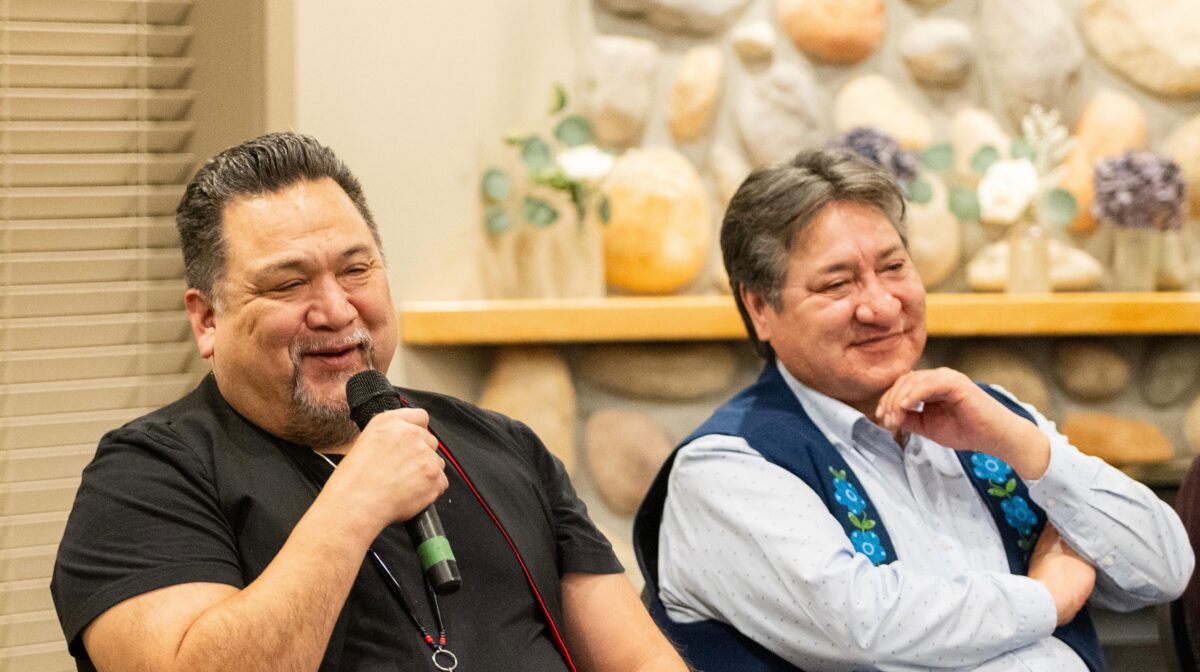
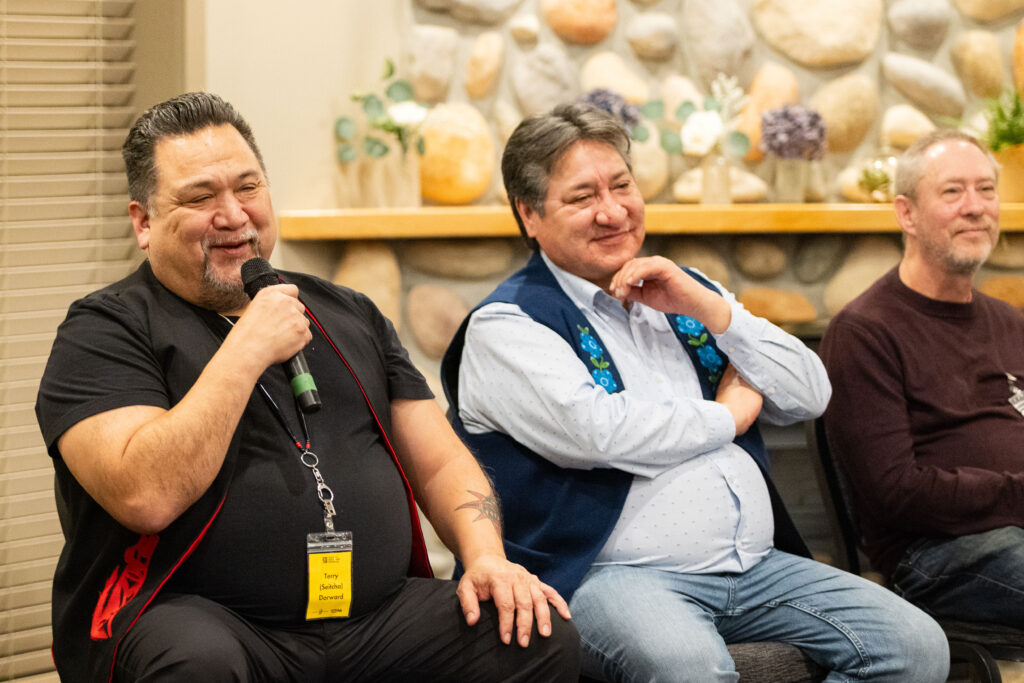
Pictured above (from left-right), Terry Dorward – West Coast Conservation Director, IISAAK OLAM Foundation; Steven Nitah – Managing Director First 30×30 Canada & Nature For Justice; Eric Angel – General Manager, Salmon Parks Stewardship Society. Credits: Jamie Frith

Beyond Bill 5: Centering Respect, Reconciliation, and Indigenous Stewardship

Ontario’s Bill 5, passed on June 04, shifts land-use planning powers to the provincial government. Though Bill 5 may be framed as a tool for efficiency, Bill 5 overlooks the leadership, capacity, and vision Indigenous Nations bring to the table. Ultimately setting the stage for conflict and confusion that could slow development. The risks of Bill 5 undermine progress towards collaborative, Nation-informed planning that is essential to both meeting conservation targets and honouring Indigenous land stewardship and Canada’s goals for reconciliation.

At First 30×30 Canada, we believe that reconciliation is not a checkbox, it’s a commitment to relationships, respect, and repair. Any path toward meeting Canada’s 30×30 conservation goals must also confront the colonial legacy of land dispossession and center Indigenous leadership. Promising examples of this commitment in action are emerging across Canada, where partnerships with Indigenous Nations are accelerating land-use planning and recognizing the authority of Indigenous Protected and Conserved Areas (IPCAs), including notable relationships in British Columbia.

Indigenous Protected and Conserved Areas (IPCAs) offer a roadmap for meeting conservation targets while also rebuilding nation-to-nation relationships. IPCAs reflect Indigenous governance, cultural practices, and inherent rights and responsibilities that have sustained the lands and waters since time immemorial.

British Columbia: A Promising Example

In contrast to Bill 5, British Columbia is advancing reconciliation by working with Indigenous Nations to fast-track land-use planning in and around IPCAs. This approach supports Indigenous governments in protecting sacred and significant places within their territories, re-affirming that certainty for any land-use initiatives can only be achieved through respectful and sustained Indigenous relationships.

Through dialogue with mining industries, we have learned that protected areas are being established faster, and development projects are more likely to move forward when there is certainty from all parties involved, including Indigenous consent. Bill 5 undermines this certainty by centralizing decisions and bypassing Indigenous jurisdiction, leading to conflict, violation of trust and treaty, and creating challenges that ultimately slow development . British Columbia’s example illustrates that real progress comes from upholding Indigenous law, governance, and stewardship, not from exclusion.

We call on all levels of government to:

  • Uphold the United Nations Declaration on the Rights of Indigenous Peoples (UNDRIP), including the right to Free, Prior, and Informed Consent (FPIC);
  • Support the establishment and long-term funding of IPCAs across the country;
  • Foster genuine partnerships with Indigenous Nations through co-governance and recognition of Indigenous law;
  • Invest in Nation-led planning that prioritizes both ecological integrity and cultural continuity.

Indigenous Resurgence in Conservation

If we are to meet our national 30×30 goals in a meaningful way, we must do so with humility and a deep commitment to Indigenous sovereignty. Conservation includes people, stories, and systems of respect and understanding that have protected these lands for generations.

We invite Ontario and other jurisdictions to look to IPCAs and the leadership happening in British Columbia, not as a model to replicate, but as a reminder that development, reconciliation, conservation, and Indigenous resurgence can, and must, go hand in hand.